Abubakar Imam
A pillar of Nigerian letters, a sharp voice in journalism, and a key figure in Nigerian politics. His journey began in the quiet town of Kagara in Minna, Niger State, where he walked through life on a...
About the Artist
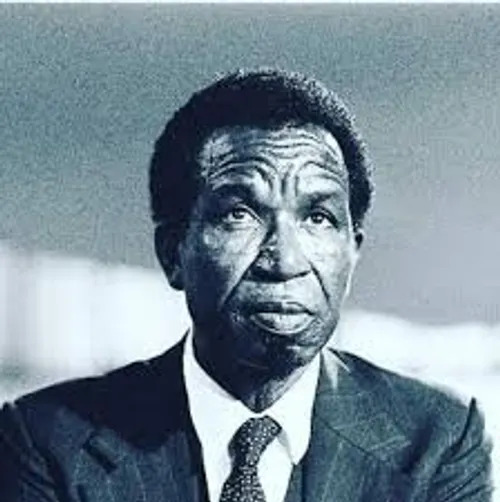
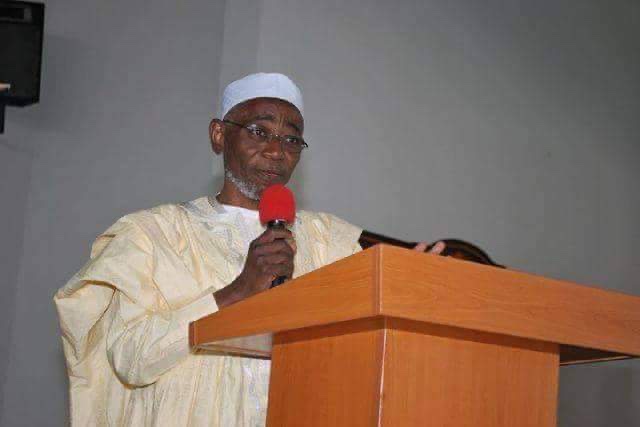
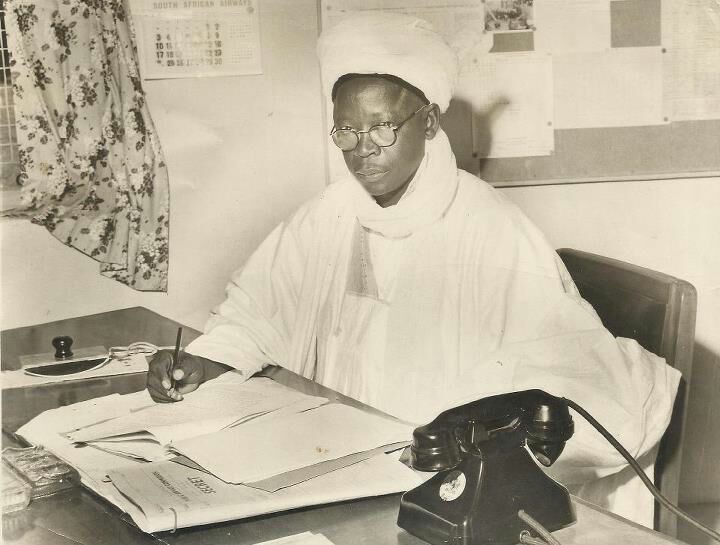
A pillar of Nigerian letters, a sharp voice in journalism, and a key figure in Nigerian politics. His journey began in the quiet town of Kagara in Minna, Niger State, where he walked through life on a very creative and intelligent path. His intellectual life began as a student at Katsina College, where curiosity first found its feet. He honed his intellectual cutting edge at the School of Education, University of London, discovering how potent a change agent he as a writer could be. A very important element is the fact that he was fluent in spoken and written words. Working at Gaskiya Ta Fi Kwabo, the first Hausa-language newspaper in Northern Nigeria, he was seen as an idea pioneer and pragmatic follower of informed dialogue. As the first Hausa-speaking editor, he provided readers with an array of viewpoints that addressed the aspirations and concerns of his people. He was an accomplished writer, and some of the successful works authored by him include 'Magana Jari Ce,' 'Ruwan Bagaja,' and 'Tarihin Annabi Kammalalle,' through which he endeavored to illuminate the audience on the culture, history, and mysteries surrounding the North Nigeria spiritual experience. The journey of Abubakar Imam was not solely on the pages of a book. Rather, it was a political and upliftment process through and within society. With individuals like Robert East, Imam was a pioneering force in building a company like the Gaskiya Corporation. A haven for those with clever thinking and a launchpad for courageous oration, Imam collaborated with others to create a major political milestone in building a part of Nigeria with individuals from the Northern People's Congress (NPC), including himself, Umaru Agaie, and Nuhu Bamalli. They created a guiding part of its administration. Abubakar Imam was a combination of intellect, ink, and influence—leaving an indelible mark in the annals of his time and remaining a permanent symbol of hope for many seeking to enrich minds, evoke hearts, and influence society as a whole. The Federal Government of Nigeria has honored his legacy by identifying Minna airport with his name, just as the Niger State Library bears his name too.